Terrestrisch ecosysteem betekenis
Het hoofdconcept van een terrestrisch ecosysteem verwijst naar die omgevingen waar organismen voornamelijk op opkomend land leven en zich ontwikkelen. De fundamentele structuur van deze ecosystemen is gebaseerd op factoren zoals de bodem, die fungeert als fysieke ondersteuning en bron van voedingsstoffen, maar ook op de atmosfeer, die lucht. Terrestrial ecosystems occupy 55,, mi 2 (,, km 2), or % of Earth's surface. [5] Major plant taxa in terrestrial ecosystems are members of the division Magnoliophyta (flowering plants), of which there are about , species, and the division Pinophyta (conifers), of which there are about species. 
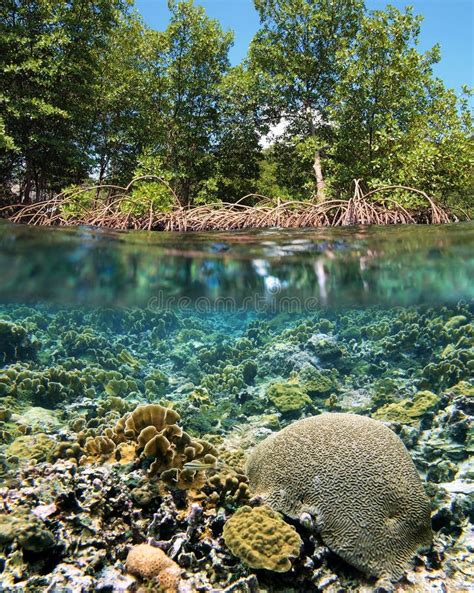


- Terrestrisch ecosysteem betekenis Een terrestrisch ecosysteem is een waardevol en ingewikkeld systeem dat een breed scala aan leven op het land ondersteunt. Ze verschillen in de manier waarop organismen uit verschillende koninkrijken met elkaar omgaan: planten, dieren, microben en de natuurlijke wereld. Ontdek meer over terrestrische ecosystemen in dit artikel.
Landecosysteem
Een ecosysteem op het land of op het land is het levende organisme en hun fysieke omgeving op een bepaald stuk land. Terrestrische ecosystemen kunnen interageren en overlappen met mariene (zoutwater) en limnologische (zoetwater) ecosystemen. Een aantal terrestrische biomen kan worden gebruikt om kleinere ecosystemen te classificeren. Definitie van landecosysteem. Terrestrische of terrestrische ecosystemen zijn ecosystemen waarvan de omgevingsfactoren worden gedomineerd door land. Landecosystemen zelf bevinden zich in een zeer groot gebied of worden ook wel een bioom genoemd. Landecosysteem Een ecosysteem is de complexe interactie tussen organismen en hun omgeving. Alles in de natuur is met elkaar verbonden. Planten, dieren en micro-organismen zijn de belangrijkste elementen die dit evenwicht handhaven. Echter, menselijke activiteiten kunnen dit evenwicht verstoren.Biotoop
Amazon rain forest biotope. A biotope is an area of uniform environmental conditions providing a living place for a specific assemblage of plants and animals. Biotope is almost synonymous with the term "habitat", which is more commonly used in English-speaking countries. What Is The Difference Between A Biotope And A Habitat? The rainforest is an example of a habitat. In many countries, the terms “biotope” and “habitat,” are usually taken to have the same meaning, and used as synonyms. Both are influenced by the composition.Biotoop The meaning of BIOTOPE is a region uniform in environmental conditions and in its populations of animals and plants for which it is the habitat.
Biodiversiteit
Biodiversity is the variability of life on Earth, measured on different levels such as genetic, species and ecosystem diversity. Learn about the history, causes and effects of biodiversity loss, and the efforts to conserve it. Even the most important biodiversity hubs around the world are not immune from human pressures. Borneo, a massive island in southeast Asia, is home to more than 1, different animal species, and at least 15, plant species.Biodiversiteit Biological diversity — or biodiversity — is the term given to the variety of life on Earth and the natural patterns it forms. The biodiversity we see today is the fruit of billions of years of.